The global economic landscape is increasingly defined by the aggressive deployment of economic tools as instruments of statecraft. What was once considered a measure of last resort or a specific response to unfair trade practices is now becoming a primary lever in international relations, manifesting as both retaliatory tariffs between traditional allies and expansive sanctions against geopolitical adversaries. This escalating trend signals a fundamental shift in how nations compete and exert influence, with profound implications for global commerce, supply chain stability, and consumer welfare.
Tariff Tit-for-Tat: The North American Front
A striking illustration of this new reality is the recent escalation of trade tensions between the United States and Canada. Canada’s announcement of “dollar-for-dollar” retaliatory tariffs, potentially as high as 50%, on a range of US goods—from steel and furniture to fresh tuna and makeup—marks a significant downturn in relations between two of the world’s closest economic partners. This move is a direct response to prior US levies, transforming a bilateral trade dispute into a full-blown tariff war. Such measures, while ostensibly aimed at protecting domestic industries, inevitably lead to higher costs for businesses on both sides of the border, disrupt established supply chains, and ultimately burden consumers with increased prices. The historical precedent of robust, integrated trade between these nations underscores the severity of this current friction, indicating a willingness to sacrifice economic harmony for perceived national advantage.
Sanctions as Strategic Weaponry: The US-Iran-China Nexus
Beyond traditional trade disputes, the weaponization of economic sanctions continues to expand its reach, notably in the ongoing standoff between the United States and Iran. Washington’s latest round of sanctions targets not only Tehran directly but also its trading partners, threatening to isolate nations that continue to conduct business with the Islamic Republic. This strategy directly implicates major global economies, particularly China, which remains a significant buyer of Iranian oil. Beijing has vehemently criticized these new US sanctions as “illegal,” highlighting the extraterritorial reach and coercive nature of such measures. Iran, for its part, has declared itself “fully prepared” to counter these widened economic pressures, suggesting a long-term strategy of resilience and adaptation to circumvent restrictions. This dynamic illustrates how sanctions are no longer merely punitive but are designed to reconfigure global economic alliances and force compliance through economic leverage, creating friction points that ripple through international markets and diplomatic channels.
Broader Implications for a Fractured Global Economy
The dual trends of escalating tariffs and expansive sanctions carry far-reaching consequences for the global economy:
- Increased Business Uncertainty: Companies face an increasingly unpredictable operating environment, necessitating costly supply chain diversification, reshoring efforts, and heightened compliance scrutiny. The risk of sudden market access restrictions or punitive duties complicates long-term investment planning.
- Higher Consumer Costs: Tariffs directly translate into higher import prices, which are often passed on to consumers. Sanctions, by limiting supply or increasing the cost of alternative sources, also contribute to inflationary pressures on essential goods and energy.
- Erosion of Multilateralism: The reliance on unilateral economic coercion undermines the principles and institutions of multilateral trade, such as the World Trade Organization. As nations prioritize bilateral leverage, the framework for global economic cooperation weakens, making collective problem-solving more challenging.
- Geopolitical Fragmentation: Economic tools are actively contributing to the fragmentation of the global economy into competing blocs. This can lead to a less efficient allocation of resources, reduced innovation, and a slower pace of global economic growth.
- Risk of Escalation: Economic disputes can easily spill over into other areas of international relations, exacerbating political tensions and increasing the risk of broader geopolitical instability. The lines between economic competition and strategic confrontation become increasingly blurred.
The current global environment suggests that economic coercion, whether through tariffs or sanctions, is not a temporary phase but a structural feature of contemporary international relations. Organizations and governments alike must adapt to this new reality, navigating a world where economic leverage is a primary instrument of power, constantly reshaping the competitive landscape and demanding robust strategies for resilience and adaptation.
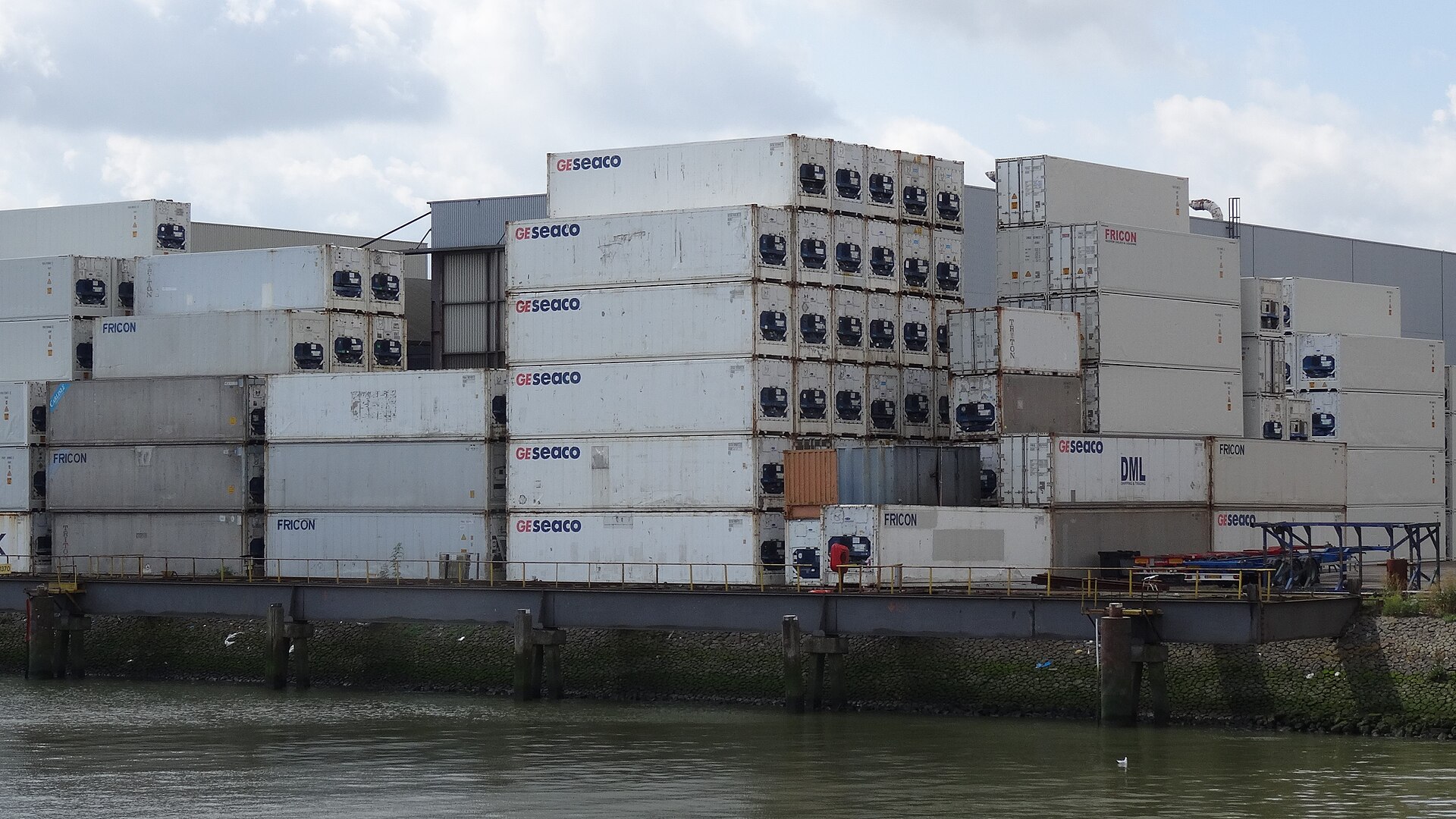
Featured image: AgainErick, CC BY-SA 4.0, via Wikimedia Commons.