The modern global economy operates on a foundation of highly integrated, digitized infrastructure. While the convergence of operational technology (OT) and digital networks has unlocked unprecedented efficiency, it has also introduced systemic vulnerabilities. Today, critical national infrastructure is caught in a pincer movement: on one side, increasingly sophisticated state-sponsored cyber-offensive campaigns target physical utilities; on the other, localized physical power failures trigger immediate, cascading disruptions across transport and logistics networks. Together, these dynamics reveal a sobering reality: the resilience of modern society is entirely dependent on the continuous, uninterrupted flow of electricity, and that flow is more fragile than ever.
The Cyber-Offensive Frontier: Targeting Physical Assets
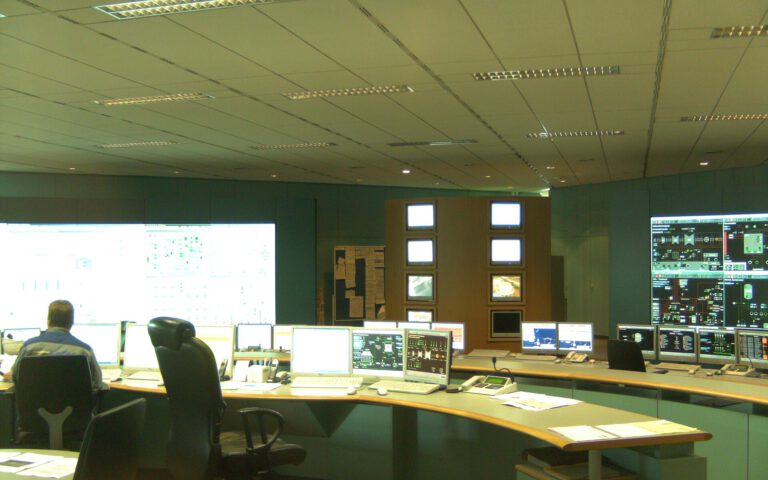
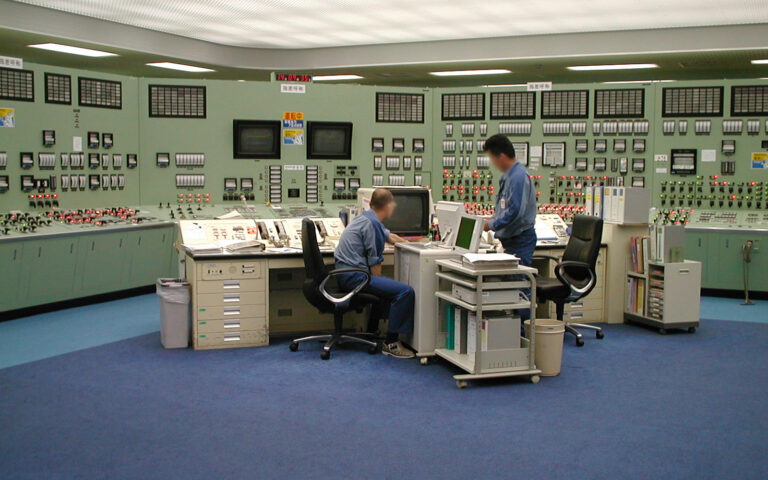
For years, cyber warfare was primarily associated with data breaches, intellectual property theft, and financial extortion. However, the threat landscape has shifted toward the disruption of physical systems. This transition was starkly illustrated by reports of a cyber-attack in July that targeted a UK power plant, an operation attributed by security analysts to Iran-linked hackers. Although government officials emphasized that there was no immediate risk to the country’s broader energy system during the incident, the breach represents a significant escalation in the targeting of industrial control systems (ICS).
State-aligned threat actors are increasingly mapping the digital vulnerabilities of Western utilities. By gaining access to the software that manages turbines, substations, and distribution grids, hostile actors position themselves to inflict physical damage or execute coordinated shutdowns during geopolitical crises. The challenge for operators is structural: many power generation assets rely on legacy physical systems that have been retrofitted with digital interfaces to allow for remote monitoring and automation. These hybrid systems often lack the robust, built-in security architectures of modern, secure-by-design platforms, leaving them exposed to sophisticated intrusion techniques.
Cascading Failures: The Transport and Logistics Bottleneck
The vulnerability of the grid is not merely a cyber-security concern; it is an operational bottleneck that can rapidly paralyze wider economic activity. This dependency was demonstrated when a power cut forced the cancellation of nearly all services across the UK’s CrossCountry rail network. The resulting disruption, described by passengers and logistics operators as a worst-case scenario, highlighted how quickly a localized electrical failure can propagate through interconnected transport corridors.
When rail networks lose power, the consequences extend far beyond stranded passengers. Supply chains are disrupted, freight deliveries are delayed, and the productivity of the workforce is immediately curtailed. Modern transport systems—reliant on overhead electrification, digital signaling, and centralized dispatching software—cannot degrade gracefully during a power outage. Instead, they suffer systemic shutdowns. This tight coupling of the energy and transport sectors means that any vulnerability in the electrical grid is automatically a vulnerability in the national logistics network.
Strategic Imperatives for Infrastructure Resilience
To mitigate these compounding risks, enterprise leaders and infrastructure policymakers must move beyond traditional compliance frameworks and adopt a posture of active resilience. This requires a fundamental reassessment of how critical systems are designed, operated, and defended. Key strategic priorities include:
- Strict Network Segmentation: Operators must enforce absolute separation between corporate IT networks and operational technology (OT) environments. Air-gapping critical control systems, though operationally inconvenient, remains one of the most effective defenses against external cyber intrusions.
- Decentralization and Redundancy: Relying on centralized generation and single-point-of-failure transmission lines increases systemic vulnerability. Investment must shift toward decentralized microgrids, localized battery storage, and redundant power feeds for critical transport hubs.
- Manual Fail-Safe Protocols: As automation increases, the capability to operate critical infrastructure manually is being lost. Operators must maintain robust, regularly tested manual override protocols to ensure that transport and utility systems can function—even at reduced capacity—during a total digital or power blackout.
- Coordinated Threat Intelligence: Public-private partnerships must evolve from passive information sharing to real-time, collaborative defense. Threat intelligence regarding state-sponsored cyber campaigns must be rapidly operationalized across both public utilities and private logistics providers.
A New Paradigm for Operational Continuity
The events of recent months serve as a warning for global organizations. The distinction between physical security and cybersecurity has dissolved. A line of code executed by a hostile actor thousands of miles away can have the exact same operational impact as a physical cable failure on a railway line. In this environment, business continuity planning can no longer treat power and connectivity as guaranteed utilities. True operational resilience requires preparing for a world where the grid is contested, vulnerable, and occasionally offline.
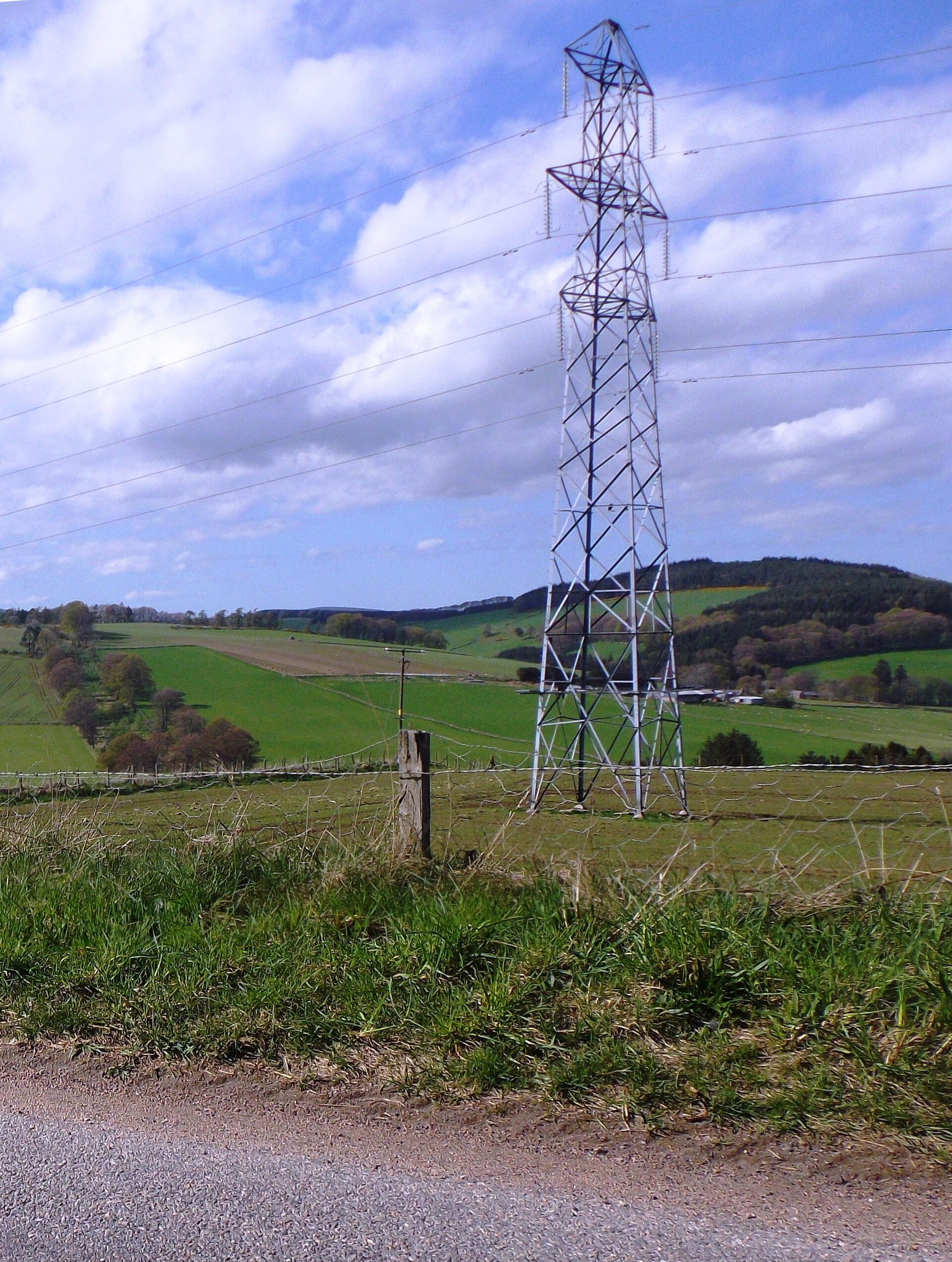
Featured image: Stanley Howe, CC BY-SA 2.0, via Wikimedia Commons.