
Across the world’s most intense crisis zones, a profound failure of operational logistics is separating vulnerable populations from basic survival assets and medical care. While global multilateral institutions and donor syndicates establish high-level response frameworks and track emerging emergencies, the practical ability to deliver primary care, outbreak containment, and emergency relief into remote or active combat environments is experiencing a systemic collapse. Recent evaluations by field operators and international monitoring bodies reveal that the overwhelming majority of mortality in current health and displacement crises is occurring long before affected individuals ever make contact with established medical treatment centers or organized humanitarian networks.
The Breakdown of First-Line Epidemiological and Medical Triage
In regions grappling with severe infectious disease surges, such as the Democratic Republic of the Congo, epidemiological tracking indicates that community-level mortality is vastly outstripping institutional intake. When sixty to seventy percent of fatal cases occur in peripheral villages and informal settlements without prior medical intervention, the core problem is no longer merely therapeutic efficacy or laboratory readiness. It is an acute triage failure rooted in geographical isolation, physical insecurity, and broken transit links.
This structural isolation creates a fatal feedback loop:
- Delayed Detection: Early symptoms are overlooked or managed through informal care, allowing contagion to spread unmonitored through households and community corridors.
- Transport Exhaustion: Impassable terrain, damaged infrastructure, and prohibitive transport costs force families to delay seeking professional medical evaluation until patients are in terminal stages.
- Institutional Blind Spots: Centralized response command centers operate with lagged or distorted epidemiological data, underallocating resources to remote hotspots where mortality is highest.
Compounding Displacement and the Financial Crisis of Aid Operations
The operational crisis in frontline healthcare delivery is further exacerbated by escalating displacement and persistent capital shortfalls across international humanitarian channels. In complex conflict environments such as Sudan, continuous military engagements have driven millions of citizens from urban hubs into under-resourced rural zones or informal transit camps. This continuous movement destabilizes localized supply networks and overwhelms existing municipal sanitation and water infrastructure.
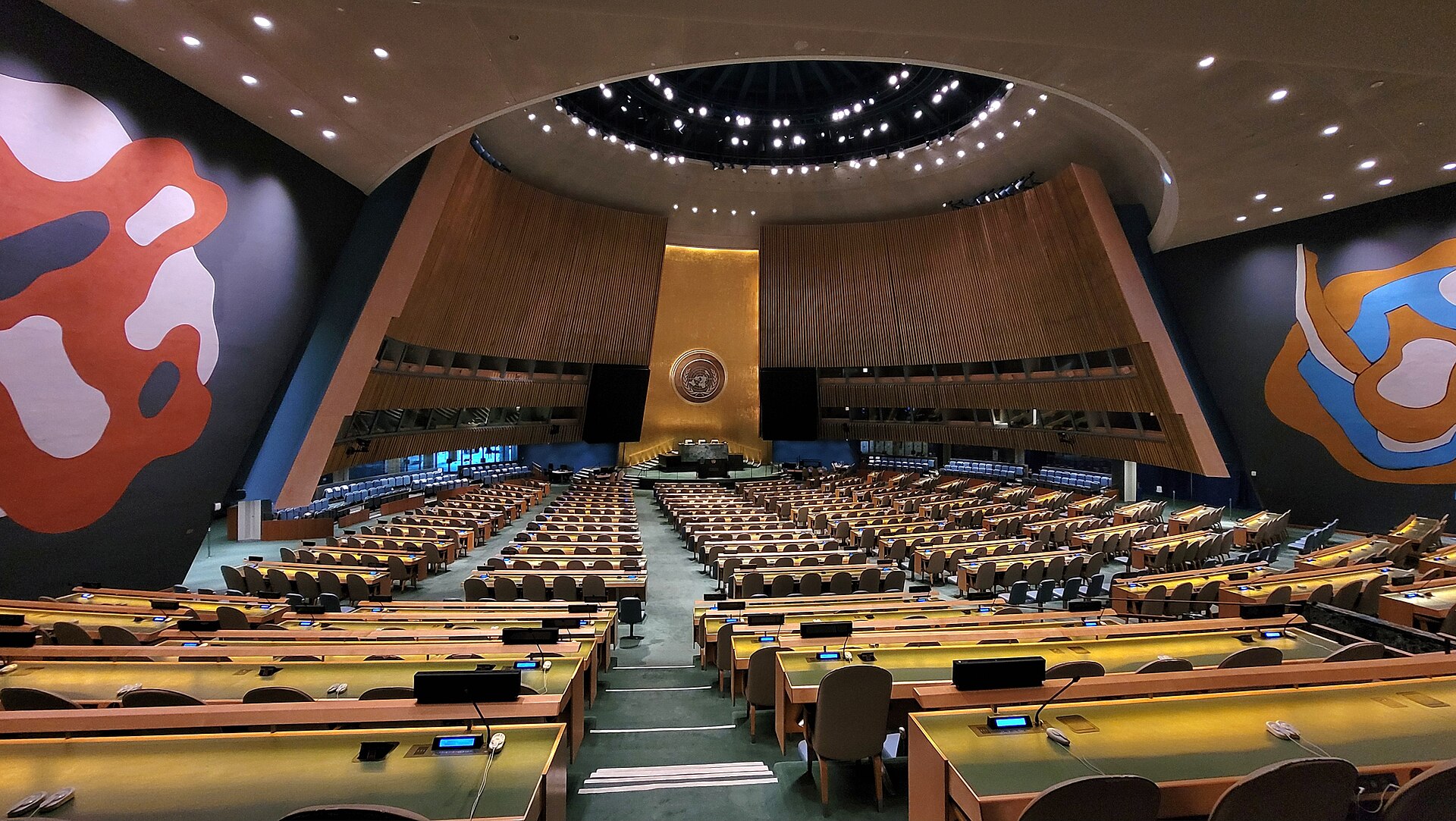
Humanitarian agencies operating under the auspices of the United Nations face chronic budget deficits that restrict their ability to deploy mobile medical teams, establish forward operating supply hubs, or secure protected transport corridors. Consequently, emergency managers are forced to make drastic prioritization choices, scaling back routine health monitoring and preventative sanitation work to maintain minimal emergency supply lines to concentrated displacement sites.
Key Factors Accelerating Operational Friction in Conflict Corridors
- Infrastructure Deterioration: Sustained physical combat and neglected public works destroy bridges, unpaved transit roads, and fuel distribution networks essential for medical evacuation.
- Regulatory and Security Bottlenecks: Non-state armed actors and sovereign security checkpoints impose complex transit permits, administrative tariffs, and unpredictable blockades on humanitarian convoys.
- Resource Divergence: Funding allocations are increasingly concentrated in acute high-visibility interventions, leaving essential community-level primary care and field transport critically underfunded.
Re-evaluating Global Crisis Intervention Models
Addressing the widening gap between institutional capacity and frontline survivability requires a fundamental recalibration of how international aid and public health budgets are structured. The traditional reliance on centralized hospital hubs and large-scale, static relief camps is proving ineffective in fragmented operational environments marked by active conflict and high population mobility.
To mitigate off-grid mortality during simultaneous outbreak and displacement crises, international donors and sovereign defense-adjacent logistics units must pivot toward decentralized emergency architecture. Investing in localized community health networks, equipping forward-deployed frontline workers with durable diagnostic tools, and establishing resilient, multi-modal transport logistics represent the only viable path to closing the fatal last-mile divide. Until multilateral strategy shifts from high-level institutional planning to robust ground-level access, public health initiatives in volatile regions will continue to miss those in greatest need.