The pursuit of justice against high-profile transnational figures has evolved far beyond the boundaries of standard courtroom proceedings. Today, it represents a high-stakes operational and diplomatic challenge that tests the physical security, institutional integrity, and diplomatic leverage of sovereign states. As governments attempt to dismantle deeply entrenched criminal syndicates and address state-linked corruption, they are finding that the legal process itself requires an unprecedented level of physical and structural protection. This shifting landscape is characterized by militarized transport protocols, complex cross-border extraditions, and the dangerous task of prosecuting actors who have penetrated the state’s own administrative and security apparatus.
The Physical and Logistical Demands of High-Risk Custody
The sheer scale of resources commanded by modern transnational criminal networks has forced judicial and penal systems to adopt combat-like security measures. A prime example of this operational escalation is the recent extradition of suspected Irish organized crime boss Daniel Kinahan from Dubai. To facilitate his safe appearance in court, the Irish Prison Service was compelled to procure a specialized, bulletproof and bombproof vehicle. This extraordinary measure reflects a growing recognition that conventional law enforcement infrastructure is vulnerable to the heavily armed, highly coordinated rescue or assassination attempts that global syndicates are capable of executing.
When criminal organizations operate with budgets that rival those of small states, the physical custody of key leaders becomes a national security priority. The logistical burden extends beyond specialized transport; it encompasses the fortification of courtrooms, the implementation of round-the-clock protective details for judges and prosecutors, and the isolation of high-value detainees within the penal system to prevent continued operational control from behind bars. For middle-tier and even wealthy nations, the financial and administrative cost of maintaining these security perimeters is reshaping justice department budgets.
Institutional Penetration and the Battle Against Internal Collusion
The challenge of transnational justice is further compounded when criminal networks successfully compromise the very state institutions tasked with policing them. In Ecuador, the prosecution of a former government minister in connection with the assassination of presidential candidate Fernando Villavicencio underscores the profound level of institutional penetration achieved by powerful cartels like Los Lobos. When high-ranking state officials are implicated in political assassinations orchestrated by criminal syndicates, the judicial process is no longer just fighting an external threat; it is engaged in a delicate, dangerous internal purge.
In such environments, the primary obstacle to justice is not a lack of evidence, but the systemic compromise of the state apparatus. Prosecutors must navigate a minefield of leaked information, compromised law enforcement officers, and direct physical threats. Securing a conviction under these circumstances requires the establishment of highly vetted, isolated investigative units and the assistance of international monitoring bodies to ensure that political pressure or cartel influence does not derail the proceedings.
The Chilling Reality of State-Sanctioned Violence
Perhaps the most severe institutional stress test occurs when elements of a nation’s own elite security forces are implicated in criminal violence. In South Africa, the state’s case against eight accused men—including members of the military’s elite special forces—for the murder of top detective Frans Mathipa highlights this extreme vulnerability. Mathipa, who was investigating sensitive cases involving state and criminal overlap, was shot dead while driving, exposing a terrifying nexus where state-trained specialists deploy their lethal capabilities against the judicial system’s own investigators.
When the line between state-sanctioned force and criminal violence dissolves, the state faces a profound crisis of legitimacy. Investigating and prosecuting members of elite military or police units requires immense institutional courage and specialized oversight mechanisms. It demonstrates that the threat to transnational justice is not merely external or financial, but can emerge from the very instruments designed to protect sovereign authority.
The Geopolitical Dimension of Extradition and Safe Havens
Because modern criminal networks operate globally, the execution of justice is inherently bound to international diplomacy. The successful extradition of figures like Kinahan from Dubai highlights a slow but critical shift in global cooperation. Historically, certain jurisdictions functioned as operational safe havens, leveraging financial secrecy and lax extradition treaties to shield transnational crime lords from prosecution in their home countries. Closing these gaps requires years of sustained diplomatic pressure, financial compliance monitoring, and bilateral negotiations.
However, securing extradition is only the first step. The diplomatic capital expended to bring these individuals to trial must be matched by a domestic judicial system capable of delivering secure, transparent, and definitive verdicts. If the receiving state’s institutions are deemed too weak or compromised to hold such figures, the diplomatic credibility required for future extraditions quickly evaporates.
A Strategic Imperative for Sovereign Resilience
The escalating security, logistical, and diplomatic demands of prosecuting transnational crime figures reveal a fundamental truth: the rule of law is only as strong as the physical and institutional infrastructure supporting it. To counter the vast wealth and corrupting influence of global syndicates, sovereign states must treat judicial security and institutional counter-corruption not as administrative line items, but as core national security priorities. Only by fortifying these systems can governments hope to withstand the immense pressure of transnational justice.
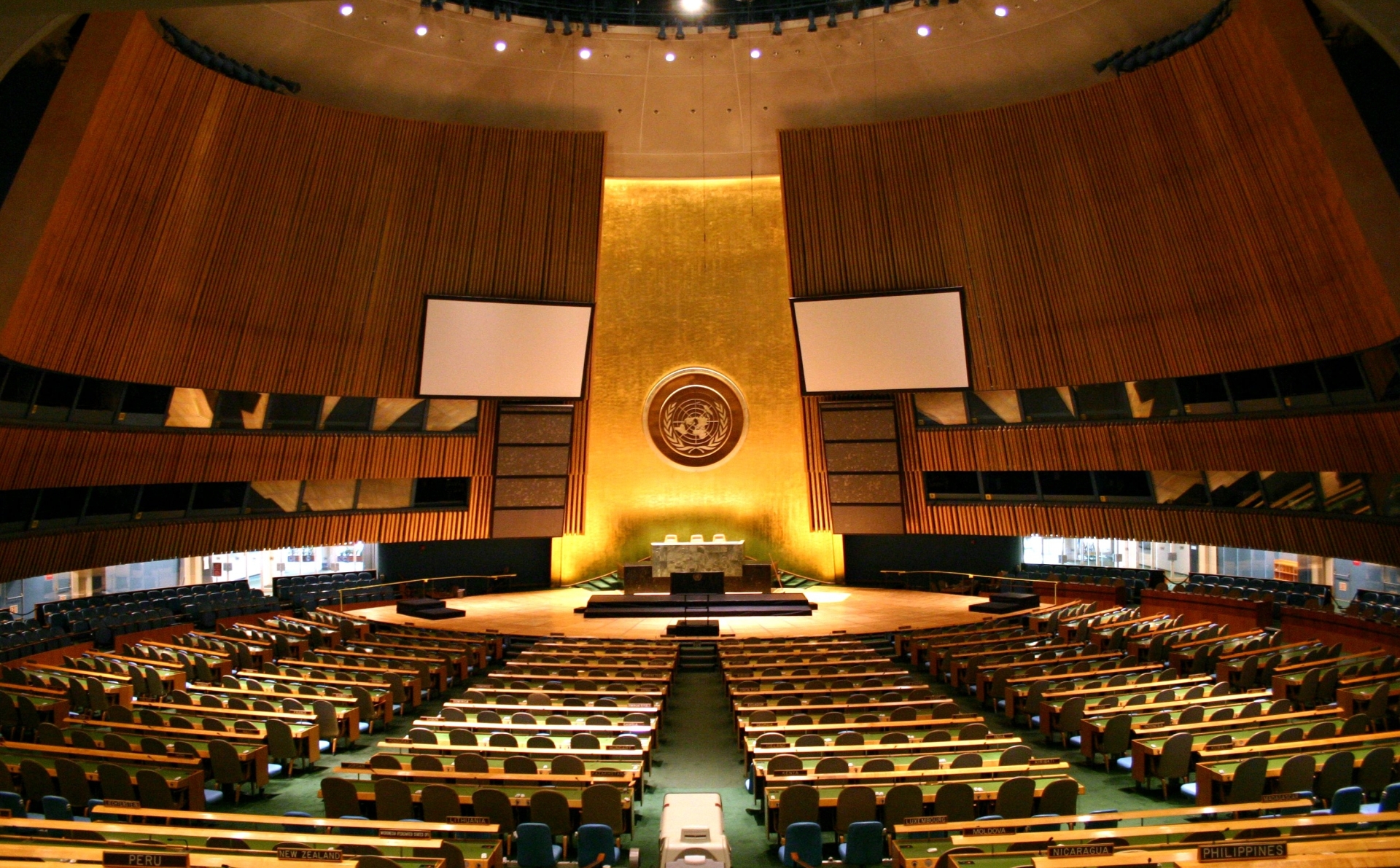
Featured image: Patrick Gruban, cropped and downsampled by Pine, licensed BY-SA, found via Openverse.