
Capital allocation in utility-scale infrastructure was once governed by predictable regulatory cycles, long-term power purchase agreements, and standard yield expectations. That stability is rapidly dissolving. Today, energy investments are caught between sudden political realignments, legal disputes, and secondary economic pressures that are reshaping how multinational enterprises and institutional investors evaluate long-term risk. The cost of energy strategy is no longer just the expense of building generation capacity; it is increasingly the financial penalty associated with policy reversals and supply-chain volatility.
A striking illustration of this changing landscape is the decision by public authorities to issue major monetary payouts to halt clean energy projects mid-stream. When a sovereign administration pays a foreign utility more than one billion dollars simply to terminate existing offshore and onshore wind developments, it signals a fundamental shift in contract security. Rather than absorbing operational delays or negotiating project modifications, public entities are using state funds to buy out valid utility agreements, setting a costly precedent for public-private capital concessions in mature industrial economies.
The broader systemic risk becomes evident when these regulatory shifts coincide with price pressures across essential global commodity markets. Data from the United Nations shows that global food prices ticked higher during July, driven directly by intense regional heatwaves and elevated power costs. In modern food networks, energy is not an isolated overhead expense; it dictates the baseline economics of fertilizer processing, transport logistics, continuous cold-chain management, and commercial food production. When peak summer weather strains electrical networks and drives up wholesale electricity tariffs, basic food prices follow.
This convergence of regulatory churn and macroeconomic friction creates a compound challenge for global executives. Private developers face a twofold imperative: navigating abrupt turns in state energy policy while simultaneously managing volatile input costs that compress operating margins. Longstanding analytical frameworks for sovereign risk—which assumed structural policy continuity in major Western markets—must now account for rapid executive turns that can alter the economic viability of multi-decade assets overnight.
The Financial Consequences of Policy Friction
When state entities compensate developers to unwind contracted infrastructure, the financial ripple effects extend far beyond the immediate contracting partners. Institutional investors, sovereign wealth funds, and project finance lenders are forced to recalculate the baseline cost of capital for future power developments. Several key structural changes are emerging across international project finance:
- Elevated Risk Premiums: Lenders are demanding higher debt service coverage ratios and increased equity commitments to cushion against potential regulatory interventions or project cancellations.
- Rigid Liquidation Terms: Energy developers are insisting on heavily fortified early-termination payouts and international arbitration clauses before committing initial capital to multi-year construction pipelines.
- Geographic Capital Arbitrage: Capital is increasingly steering toward jurisdictions with explicit, legally insulated utility governance, leaving policy-volatile markets facing higher long-term generation costs.
Secondary Impacts on the Real Economy
The real-world consequences of energy policy shifts extend directly into consumer goods and operational overhead for non-energy sectors. As electric grids face seasonal demand spikes during periods of extreme weather, utilities often rely on high-marginal-cost generation to prevent severe supply failures. These operational spikes filter quickly through commercial networks. Agricultural producers and industrial processors operating on narrow margins cannot absorb elevated electricity and fuel costs, translating infrastructure friction into inflation across downstream retail categories.
Building Resilience Amid Policy Uncertainty
For corporate leadership and institutional asset managers, navigating this environment requires moving beyond conventional policy forecasting. Industry leaders are adopting flexible portfolio strategies that reduce single-jurisdiction regulatory exposure. By deploying modular infrastructure, securing cross-border supply hedges, and diversifying project footprints across multiple regulatory regimes, commercial enterprises can better protect capital from sudden administrative turns. Ultimately, the cost of political volatility in energy planning is absorbed across the economy, making rigorous risk pricing an indispensable discipline for global operators.
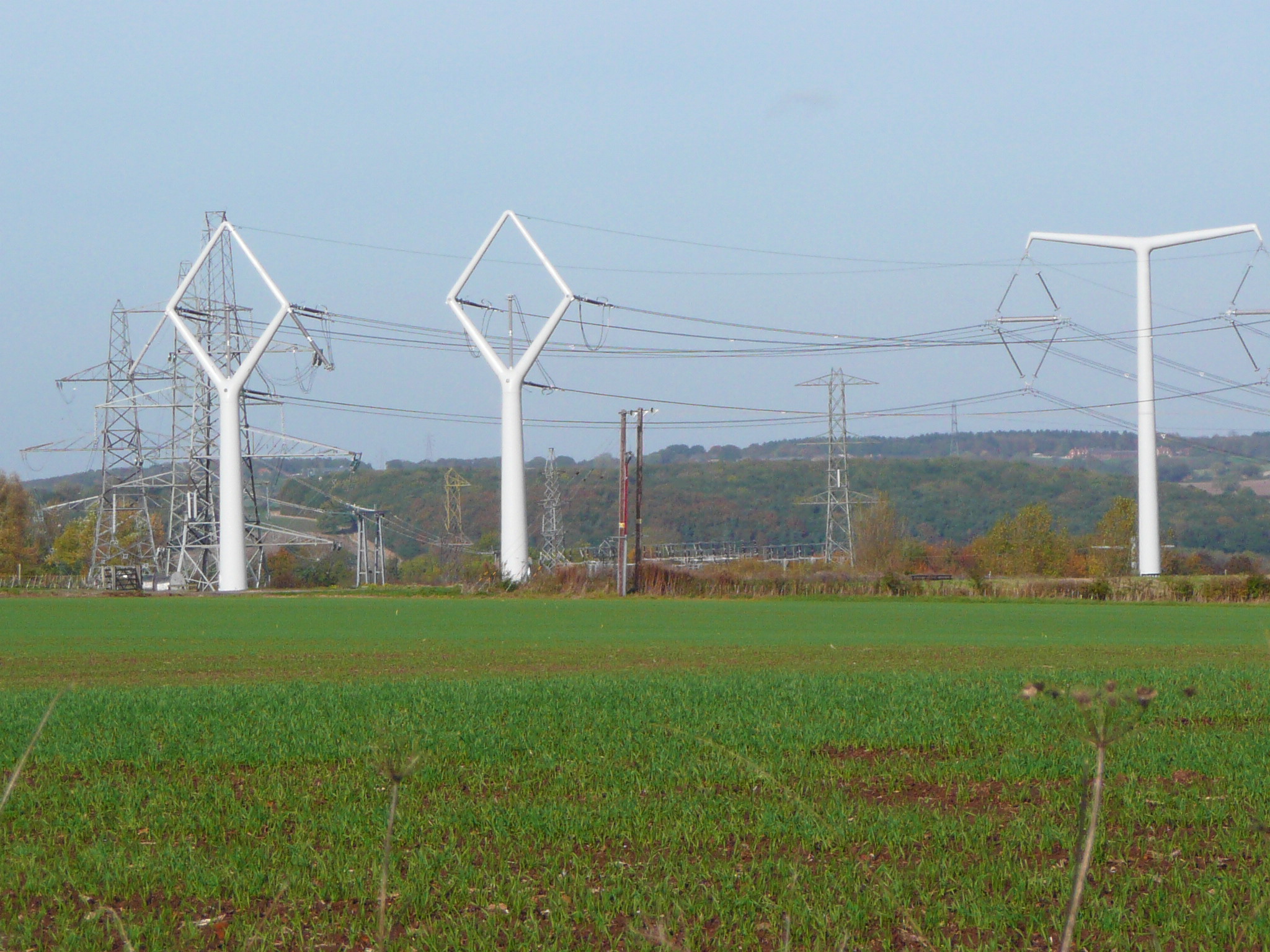
Featured image: Humphrey Bolton, CC BY-SA 2.0, via Wikimedia Commons.