The global electricity system is approaching a symbolic turning point. The International Energy Agency expects renewable sources to overtake coal-fired power in worldwide electricity generation during 2026. Yet the more important story is not the ranking itself. It is the operational challenge that follows when rapidly expanding solar and wind capacity must serve an economy whose appetite for electricity is also accelerating.
The IEA’s July Electricity Mid-Year Update forecasts global electricity demand growth of 3.6% in 2026 and 3.8% in 2027, compared with 3% in 2025. Industrial expansion, electric vehicles, air conditioning, heat pumps and data centres are all adding load. This is not simply a transition from one fuel to another. Electricity is becoming the central infrastructure through which economic growth, digital capacity and energy security increasingly flow.
A milestone with unfinished work
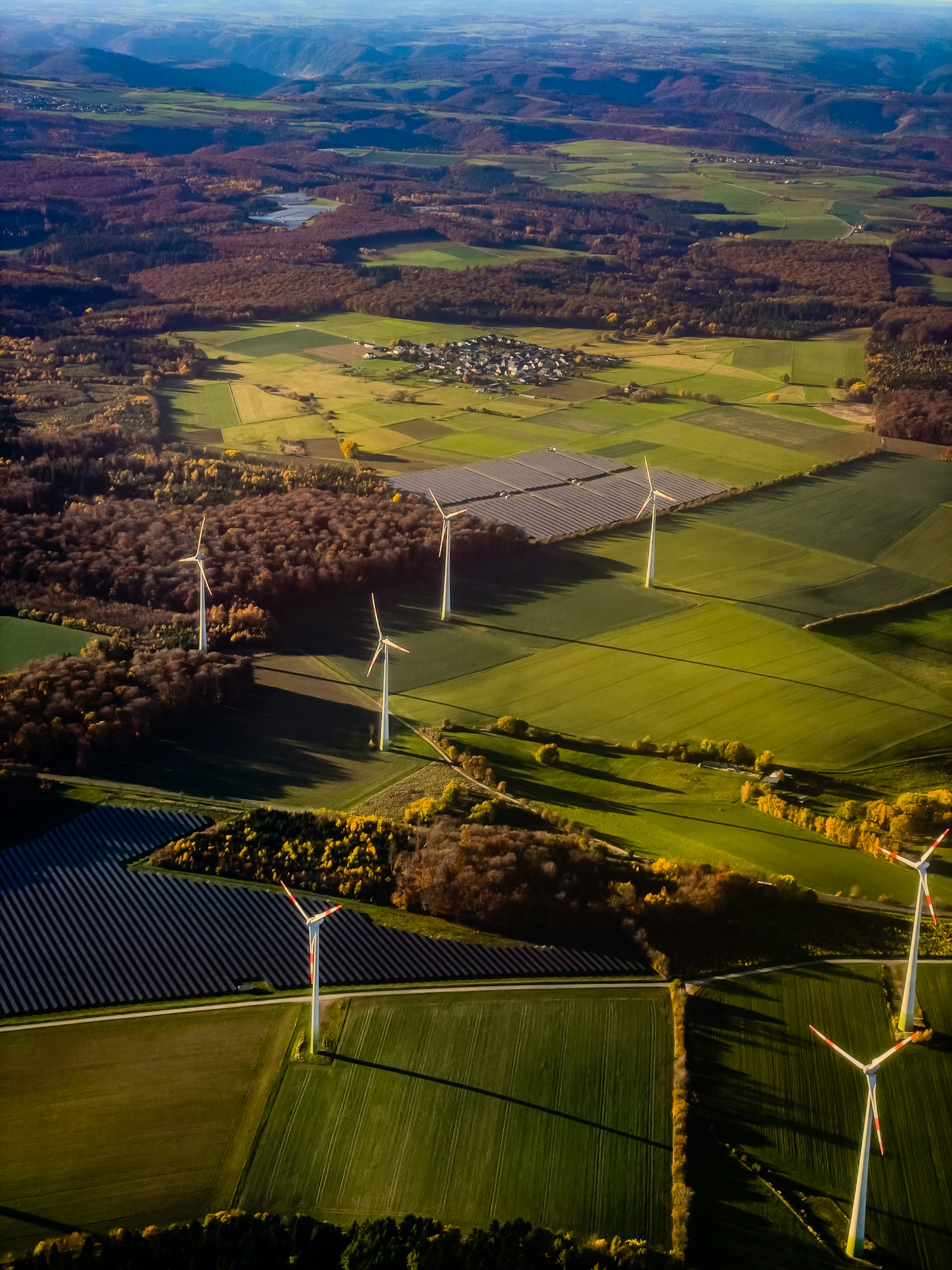
Renewable generation is forecast to grow by more than 8% this year, lifting its share of the global electricity mix from 33% in 2025 toward 37% by 2027. Solar photovoltaics remain the largest contributor to new supply and are expected to overtake wind during 2026, becoming the second-largest renewable source after hydropower.
Separate capacity data from the International Renewable Energy Agency show the scale behind that movement. The world added 692 gigawatts of renewable capacity during 2025, a 15.5% annual increase. Renewables represented 85.6% of all new generating capacity. Those figures show that clean-power deployment is no longer a marginal part of the energy system. It is where most new capacity is being built.
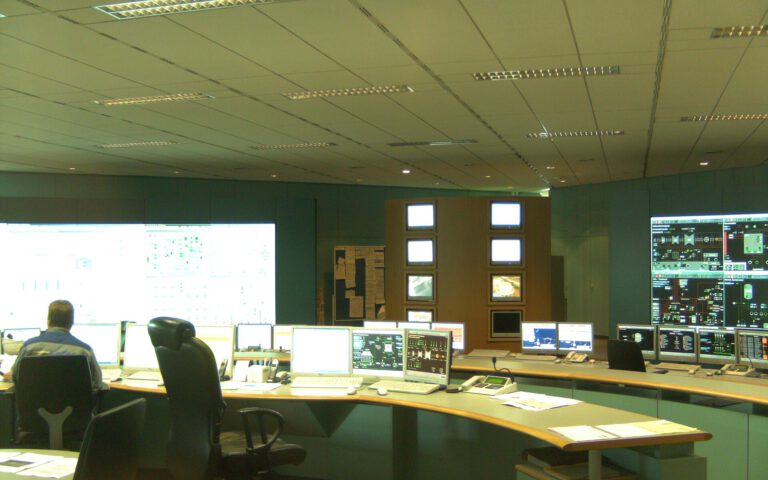
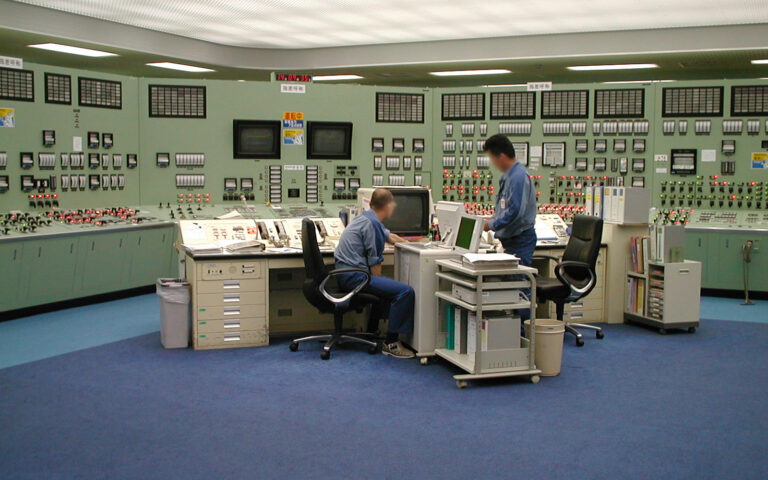
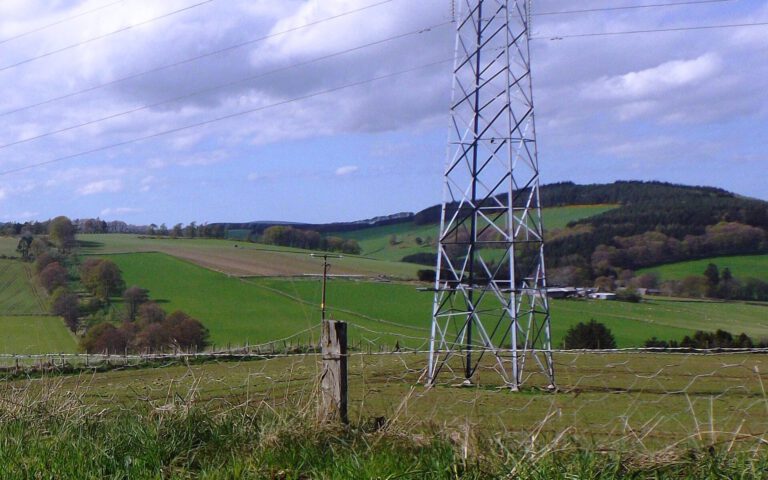
But generation capacity is not the same as dependable electricity. Solar and wind output varies with weather and time of day, while demand follows its own patterns. The strategic constraint is therefore moving toward transmission, distribution, storage, flexible demand and the speed at which new projects can connect to the network.
The grid becomes an economic platform
For governments, grid investment is now industrial policy. A region may attract factories, data centres or battery plants with tax incentives, but those projects cannot operate without timely access to reliable power. Long connection queues and congested transmission corridors can cancel out advantages created elsewhere in the investment environment.
For companies, location decisions increasingly require a more detailed energy assessment. Average national electricity prices reveal only part of the picture. Leaders need to understand local network capacity, connection schedules, exposure to peak pricing, curtailment risk and the availability of credible long-term supply contracts.
There is also a resilience question. The IEA notes that high gas prices have encouraged some economies to switch from gas back to coal, even as renewable output expands. This illustrates why energy transitions rarely move in a straight line. When supply shocks arrive, systems rely on whatever flexible capacity is available. Cleaner generation must therefore be matched by storage, stronger interconnection and demand that can respond intelligently to changing conditions.
Flexibility becomes a competitive advantage
Businesses do not need to become electricity traders, but major power users need a strategy for flexibility. Data centres can shift some computing activity across time or location. Industrial facilities can coordinate selected processes around periods of abundant supply. Buildings can use thermal storage and smarter controls to reduce demand during system peaks. Distributed generation and batteries can provide resilience while supporting the wider network.
These capabilities can reduce cost, improve continuity and make new renewable capacity easier to integrate. They also change the relationship between a company and the power system. The organisation is no longer only a passive customer; it can become a responsive participant whose consumption patterns have operational value.
The next phase is coordination
The prospect of renewables overtaking coal is evidence of remarkable deployment, but it should not be mistaken for completion. Electricity demand is growing fast enough that clean supply must expand while networks are modernised and reliability is protected. In some markets, affordability and access remain immediate constraints; in others, permitting and construction speed are the bottleneck.
The energy transition is entering a phase defined less by individual technologies than by coordination across them. Generation, grids, storage, digital controls, market design and customer behaviour must work as one system. The countries and companies that understand that shift will not simply purchase cleaner electricity. They will build a stronger platform for growth in an increasingly electric global economy.